
Regional Manager
Regional Manager
Food for sustainable nutrition
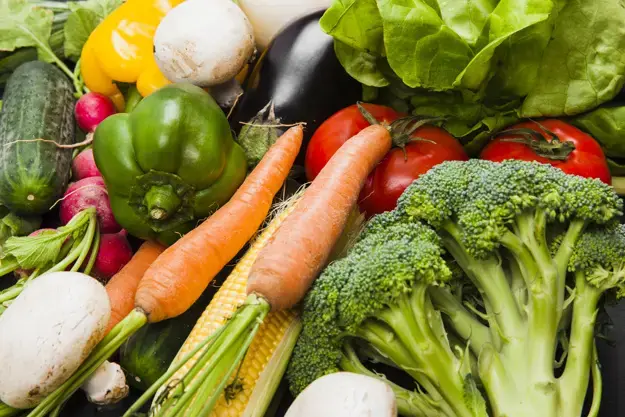
Consumers who purchase locally grown seasonal vegetables contribute to sustainability.
Since long transport routes are eliminated, energy balance is improved. Locally produced vegetables offer additional benefits: they have the highest content of vitamins, since they were harvested at the prime of their maturation and are more rich in flavor. Seasonal and local – clearly a good choice.

In order to obtain high-quality, marketable products, effective crop protection is indispensable for outdoor vegetables.
It makes no difference whether the above-ground or below-ground parts of the plant are marketed.
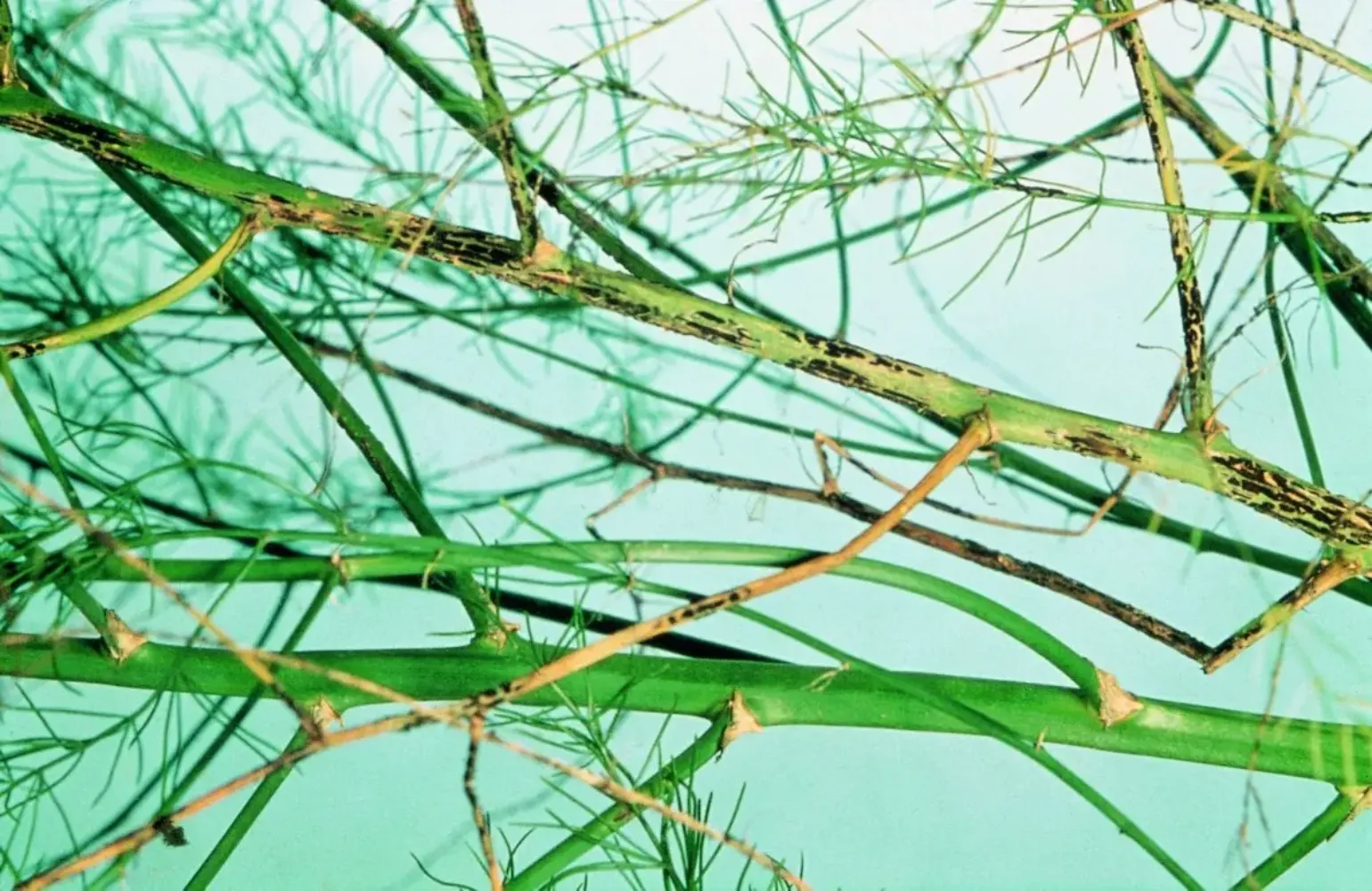
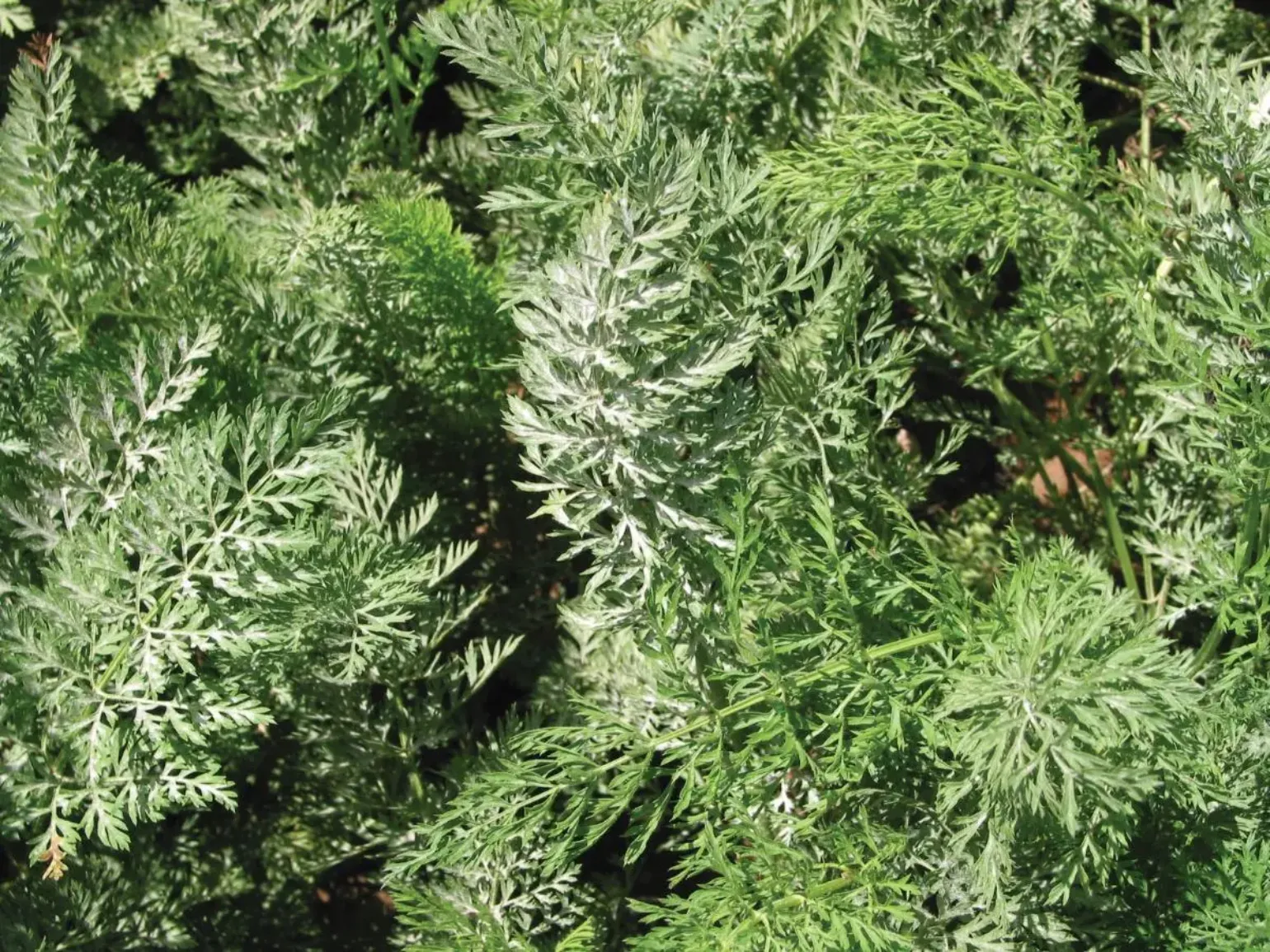
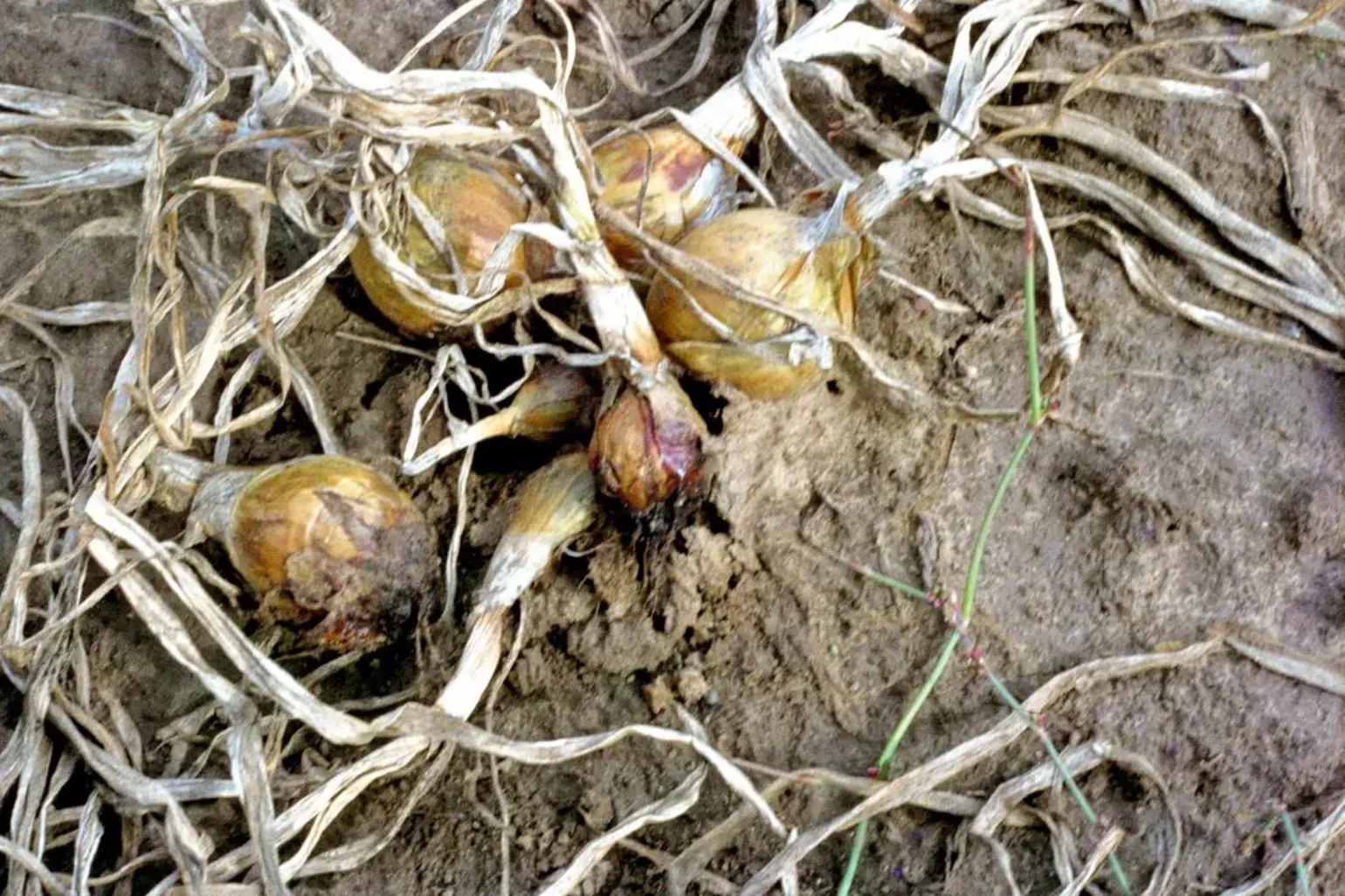
As diverse as vegetable crops are, threats from weeds and fungal diseases are just as diverse.
For herbicides and fungicides, criteria such as a broad-spectrum efficacy, outstanding effectiveness, and high crop tolerability are paramount.
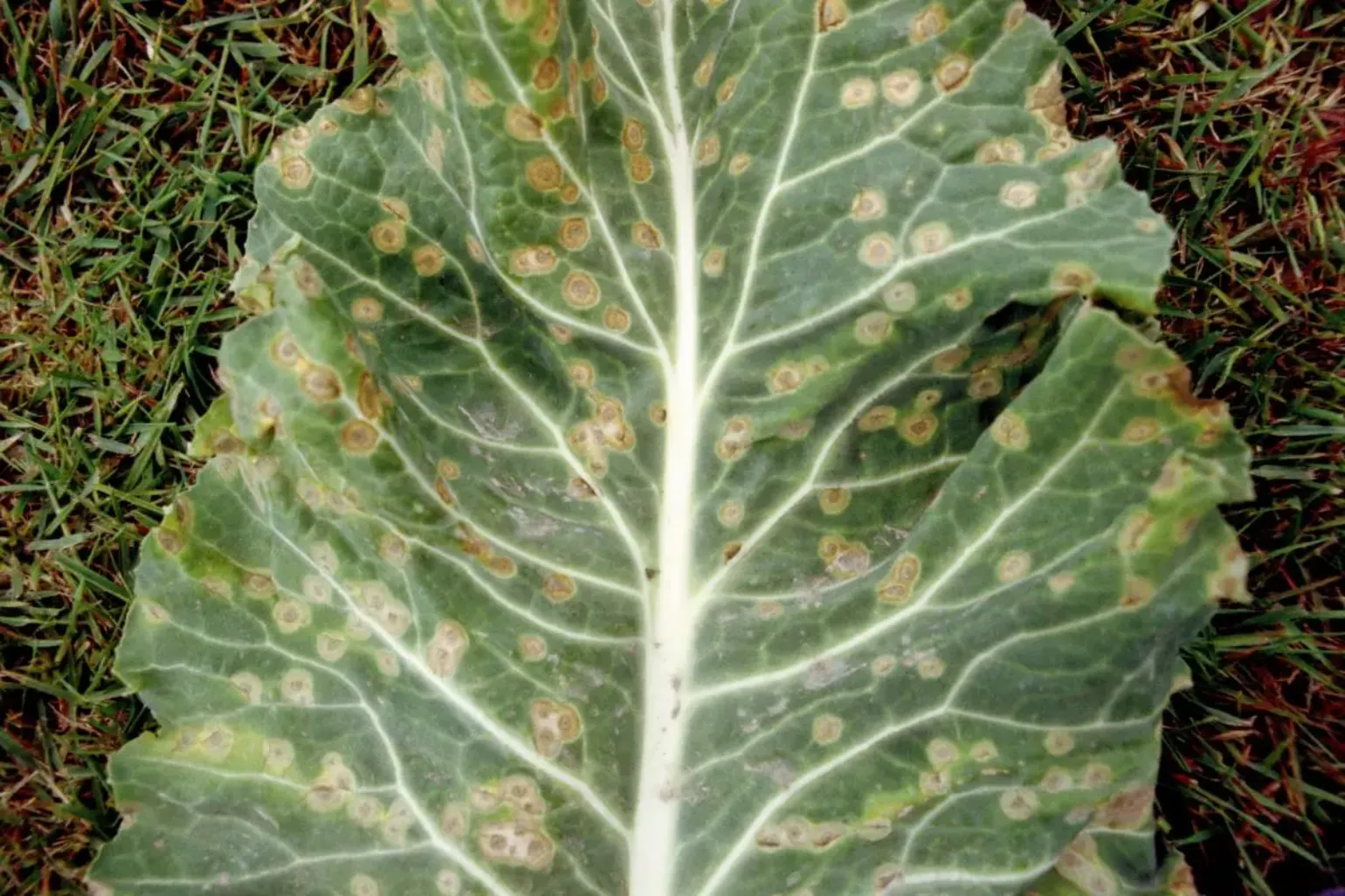
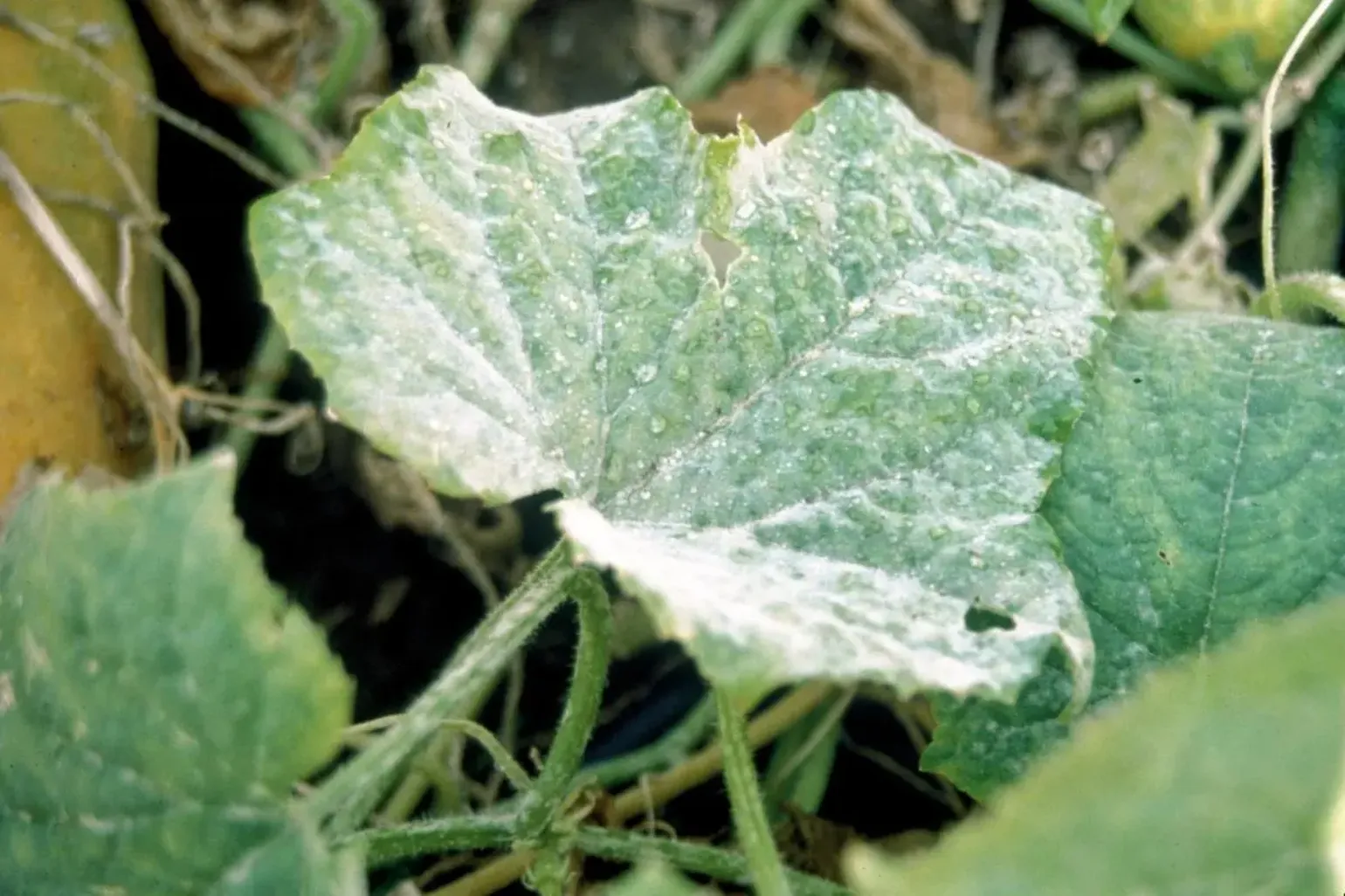
Weeds represent a persistent problem for vegetable producers. Periods of summery weather conditions especially encourage the development of thermophilic millet types. In the absence of sufficient soil herbicides that also extend protection to millet types, urgent action is called for. The reason is that millet types, but also volunteer crops following preparatory grain culture, have enormous competitive strength and compete with vegetable crops for water and nutrients! To achieve a reliable effect, certain parameters must be observed in the application. For instance, the developmental phase at which weeds are treated is crucial. While it is best to treat dicotyledonous weeds at an earlier stage of development, monocotyledonous weeds should be treated at a later stage of development. The positioning of younger leaves is more vertical than that of older leaves. Due to the horizontal positioning of older leaves, grasses and volunteer crops more readily absorb the active substance via the older leaves. The ideal application time is from the start of the two-leaf phase to the completion of tillering. If, however, the weeds are too large at the time of application, the effect will be delayed. Harmful grass weeds that come up later will not be covered due to inadequate soil action.
Weather conditions, too, are decisive for ensuring successful control. The effect is influenced not only by temperature, but also by humidity. In order for the active substance to actually reach the target site, it must be absorbed above-ground via the foliage. However, the layer of wax on the leaves ensures a reduced absorption of the active substance. High humidity and higher temperatures are helpful in overcoming this barrier. Growth-supporting conditions ensure that the grass herbicides are transported more quickly and effectively through the plant tissue. In principle, greater biological activity of the plant promotes a faster onset of effect.
Following dark, rainy, and cloudy weather, conditions for application are optimal, since the wax layer is thinner. In addition, the active substances are UV-unstable. For this reason, evening is an ideal time for application. After the application, the effect quickly becomes apparent. An indication for this is that in the meristems, as well in very young leaf tissue that is meristematically and photosynthetically non-active, destruction of the leaf tissue becomes visible. As a sure sign and to check the effect, the youngest leaf may be twisted and removed without difficulty.